
MASTERING HR METRICS AND ANALYTICS
9th -11th March, 2026 15th -17th June, 2026
24th-26th August, 2026 1st– 3rd December 2026
Introduction
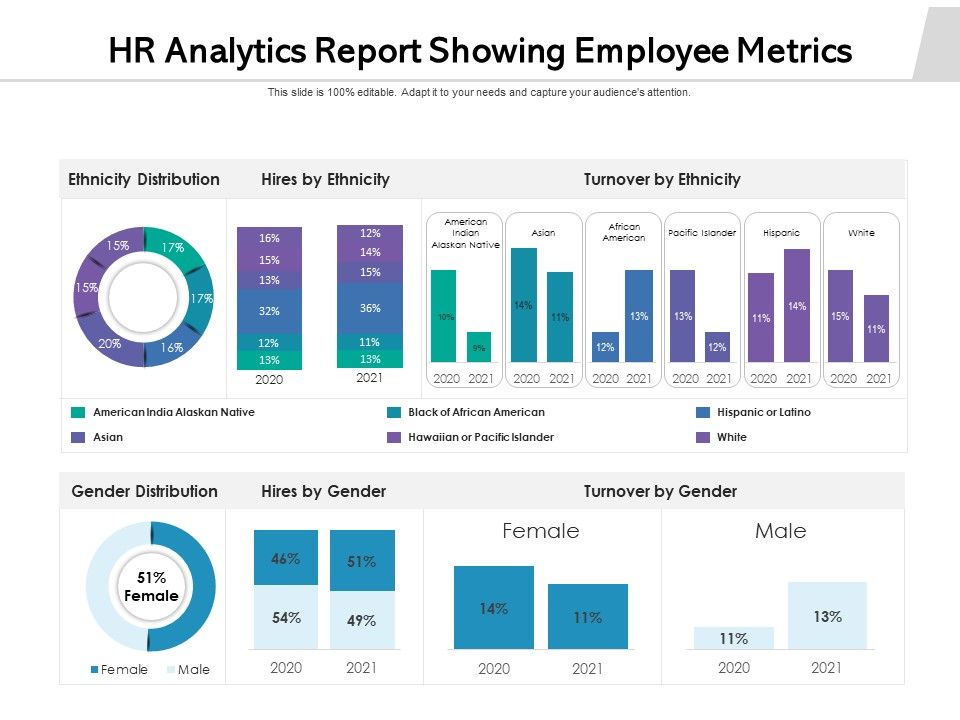
HR metrics are quantifiable data points used to measure the efficiency and effectiveness of human resources activities, while HR analytics is the deeper process of interpreting those metrics to uncover trends, explain root causes, and guide strategic business decisions. HR Metrics and Analytics bridges traditional human resources administration with data-driven business strategy.
The eight-module syllabus below covers foundational theory, core calculations, predictive modeling, and executive storytelling, reflecting industry frameworks
- Target Audience. HR Generalists, HR Business Partners, Talent Acquisition Specialists, HRIS Administrators, and People Managers.
- Learning Objectives. Participants will learn to align people data with organizational strategy, calculate core HR KPIs, clean workforce datasets, build interactive dashboards, and apply predictive analytics to solve talent challenges.
Course Contents
Module 1: Foundations of HR Metrics and Analytics
This module establishes the strategic shift from intuition-based HR to evidence-based decision-making.
- Defining Core Concepts. Distinguish between raw HR data, operational HR metrics, Key Performance Indicators (KPIs), and strategic people analytics.
- The HR Analytics Maturity Model.
Trace organizational progression from basic operational reporting to descriptive, diagnostic, predictive, and prescriptive analytics. - Strategic Alignment. Connect workforce metrics directly to organizational goals using HR Balanced Scorecards and strategy maps.
- Levels of Measurement. Categorize metrics into efficiency measures, effectiveness measures, and business impact or value measures.
Module 2: HR Data Governance, Systems, and Ethics
Reliable analytics requires clean data infrastructure and strict compliance with privacy standards.
- HR Information Systems (HRIS). Understand data architecture, HRIS extraction workflows, and integrating disparate data sources like payroll, Applicant Tracking Systems (ATS), and engagement platforms.
- Data Hygiene and Preparation. Execute data cleaning techniques, handle missing values, standardize formats, and validate data accuracy before analysis.
- Privacy, Ethics, and Compliance.
Navigate data protection laws (such as GDPR and NDPR), employee consent, anonymization protocols, and algorithmic bias in people data.
Module 3: Talent Acquisition and Workforce Planning Metrics
Focuses on optimizing the hiring funnel and forecasting future talent needs.
- Recruitment Efficiency Metrics. Calculate and benchmark Time to Fill, Time to Hire, Cost per Hire, and Source of Hire.
- Recruitment Effectiveness Metrics.
Measure Quality of Hire, Offer Acceptance Rate, Hiring Manager Satisfaction, and First-Year Attrition. - Strategic Workforce Planning. Analyze headcount growth, span of control, HR-to-employee ratios, and internal mobility rates to forecast skill gaps.
Module 4: Retention, Turnover, and Engagement Analytics
Examines the drivers of employee commitment and the financial cost of attrition.
- Turnover and Retention Calculations.
Differentiate between voluntary, involuntary, regrettable, and early turnover rates, alongside employee retention and stability indices. - Cost of Turnover. Quantify separation, replacement, onboarding, and lost productivity costs.
- Engagement and Absenteeism. Design employee engagement surveys, calculate Employee Net Promoter Scores (eNPS), and track absenteeism rates using the Bradford Factor.
Module 5: Performance, Learning, and Productivity Metrics
Evaluates how training investments and performance frameworks impact organizational output.
- Workforce Productivity. Measure Revenue per Employee, Human Capital Return on Investment (HCROI), and goal completion rates.
- Performance Management Analytics.
Analyze performance rating distributions, calibration bias, and the correlation between performance scores and business outcomes. - Learning and Development (L&D).
Track training completion rates, skill acquisition metrics, training cost per employee, and Training ROI using the Kirkpatrick and Phillips models.
Module 6: Compensation, Benefits, and DEI Analytics
Ensures total rewards programs are competitive, fair, and aligned with diversity goals.
- Compensation Metrics. Calculate Compa-ratios, salary range penetration, and total labor cost as a percentage of revenue.
- Pay Equity Audits. Conduct statistical checks to identify and remediate unexplained gender or demographic pay disparities.
- Diversity, Equity, and Inclusion (DEI).
Track representation across organizational levels, promotion parity, and inclusion index scores.
Module 7: Statistical Analysis and Predictive HR Modeling
Moves beyond historical reporting to uncover root causes and forecast future workforce trends.
- Descriptive and Inferential Statistics.
Apply mean, median, standard deviation, percentiles, correlation, and regression analysis to workforce datasets. - Predictive Attrition Modeling. Identify flight-risk factors using historical tenure, compensation, and engagement data to build proactive retention interventions.
- A/B Testing in HR. Design controlled experiments to test the effectiveness of new HR policies, onboarding workflows, or benefits offerings.
Module 8: Data Visualization, Dashboarding, and Storytelling
Equips participants to translate complex findings into executive-ready visual narratives.
- Designing Executive Dashboards. Select appropriate chart types and build interactive HR dashboards using tools like Microsoft Excel and Microsoft Power BI.
- Data Storytelling for Leadership.
Structure persuasive presentations that frame business problems, highlight actionable insights, and secure executive buy-in. - Capstone Project. Analyze an anonymized organizational HR dataset, identify a critical workforce bottleneck, build a dashboard, and present strategic recommendations.
Duration: Three (3) days Fee: N250,000
Phone No:
08052062320, 08095284269
08168381962
Email Address
training@nazellinkconsult.com info@nazellinkconsult.com
Contact Info
Address
2nd Floor, Acme House, 23, Acme Road, Ogba, Ikeja,Lagos. Nigeria.
Phone No:
08052062320, 08095284269,
07085271570
Email Address
info@nazellinkconsult.com