
UP-SELLING AND CROSS-SELLING TECHNIQUES
17th- 18th March, 2026 4th-5th June, 2026
25th-26th August, 2026 28th-29th October, 2026
Introduction
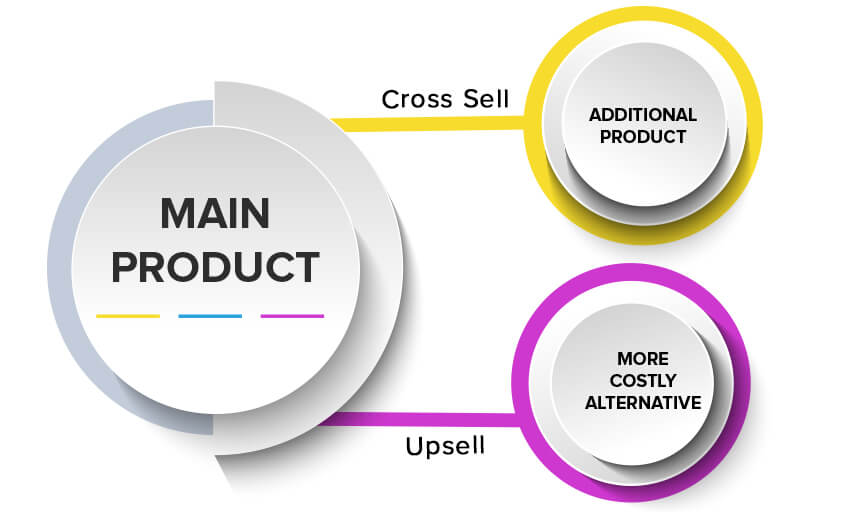
Upselling involves encouraging customers to purchase a higher-end, more expensive version of a product, while
cross-selling suggests complementary items to increase total order value. Key techniques include using customer data for personalized recommendations, bundling related products, offering limited-time upgrades, and showcasing product comparisons to highlight value.
Upselling and Cross-selling techniques training courses focus on increasing average order value and customer lifetime value through strategic, customer-centric recommendations. Key modules include understanding the
psychology of selling, identifying customer needs, crafting value-based offers, objection handling, and measuring success to drive revenue while enhancing customer satisfaction.
Upselling and cross-selling course contents focus on transforming customer interactions from simple transactions into value-driven relationships that increase revenue.
Participants will learn how to increase revenue by focusing on customer success rather than just making a sale. The training ensures techniques are applied ethically to build, rather than break, trust.
Module One: Fundamentals and Mindset
- Defining the Terms: Distinguishing between upselling (selling a higher-end version) and cross-selling (offering complementary products).
· Psychology of buying and understanding consumer behavior.
· The marketing funnel and maximizing customer lifetime value.
- Shift to Problem-Solving: Moving from a “pushy” sales mindset to a consultative, customer-centric approach where offers solve specific customer pain points.
- The Role of Trust: Understanding how established rapport increases the likelihood of a successful upgrade or add-on.
Module Two: Identifying Opportunities
- Customer-Centric Selling Strategies
- Active listening to identify unmet needs and buying signals.
- Building rapport and trust for long-term relationships.
- Personalizing offers based on customer data and preferences.
- Reading Buying Signals: Recognizing verbal and non-verbal cues (tone, body language) that indicate a customer is open to more value.
- Data-Driven Insights: Analyzing past purchase history, seasonal patterns, and lifecycle stages to predict future needs.
- Identifying Unmet Needs: Using active listening and targeted questioning to uncover gaps in the customer’s current setup.
Module Three: Strategic Communication Techniques
- Positioning the Offer: Framing additional products as benefits rather than features (e.g., “This prevents X” rather than “It has Y”).
- Creating compelling value propositions.
- Selecting the right products for cross-selling and upselling.
- Techniques for recommending products without being pushy.
- Consultative Questioning: Using open-ended questions to clarify goals before suggesting solutions.
- Storytelling and Social Proof: Using success stories or “customers who bought X also liked Y” to validate the offer.
- Execution and Communication
- Mastering objection handling and closing the sale.
- Effective communication skills for persuasion.
- Timing and, in online contexts, digital marketing strategies.
Module Four: Handling Resistance and Closing
- Objection Management: Learning “agree-and-redirect” techniques to handle pushback gracefully.
- Ethical Sales Practices: Understanding when to take “no” for an answer to maintain long-term integrity.
- Closing the “Yes”: Proven methods for finalizing the expanded sale without being overbearing.
Module Five: Performance Metrics and Tools
- Key Success Metrics: Tracking Average Order Value (AOV), Customer Lifetime Value (CLV), and conversion rates.
- Measuring success through KPIs like average transaction value.
- Modern Sales Tools: Leveraging CRM systems, recommendation engines, and automation to scale efforts.
- Gathering feedback to refine strategies.
- Advanced Analytics: Introduction to techniques like Market Basket Analysis and cluster analysis for identifying product pairs.
Module Six: Industry-Specific Applications
- Retail & Hospitality: Impulse placement, bundling guest services, and timing offers during check-in.
- B2B & SaaS: Adding premium features to subscription plans and demonstrating ROI for upgrades.
- E-Commerce: Using checkout add-ons, flash sales, and personalized recommendation engines.
Duration: Two (2) days Fee: N180,000
Phone No:
08052062320, 08095284269
08168381962
Email Address
training@nazellinkconsult.com info@nazellinkconsult.com
Contact Info
Address
2nd Floor, Acme House, 23, Acme Road, Ogba, Ikeja,Lagos. Nigeria.
Phone No:
08052062320, 08095284269,
07085271570
Email Address
info@nazellinkconsult.com